


Cloud Services
Cloud computing is a technology that delivers various computing services, including storage, processing power, databases, networking, software, and analytics, over the internet ("the cloud") to users or organizations on a pay-as-you-go basis. Instead of owning and maintaining physical hardware and software, users access and utilize these resources remotely, typically from a cloud service provider's data centers.









Compute
Cloud computing is a technology paradigm that enables the delivery of various computing services over the internet with pay-as-you-go pricing. Instead of buying, owning, and maintaining physical data centers and servers. Instead of owning and maintaining physical hardware and software, individuals and organizations can access and use these services remotely, typically from a cloud service provider's data centers.
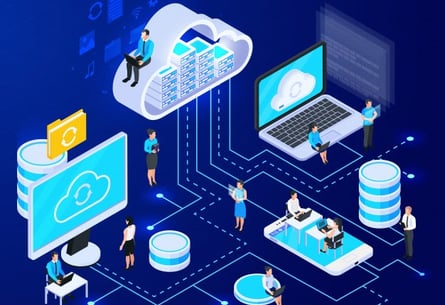
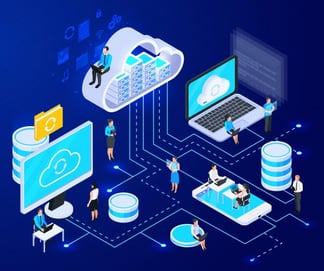
Cloud computing offers different service models, including Infrastructure as a Service (IaaS), Platform as a Service (PaaS), and Software as a Service (SaaS), catering to various needs.
IaaS provides virtualized computing resources, such as virtual machines and storage.
PaaS offers a platform for developers to build, deploy, and manage applications without managing the underlying infrastructure.
SaaS delivers fully functional software applications over the internet, often for productivity, collaboration, or business needs.
Storage
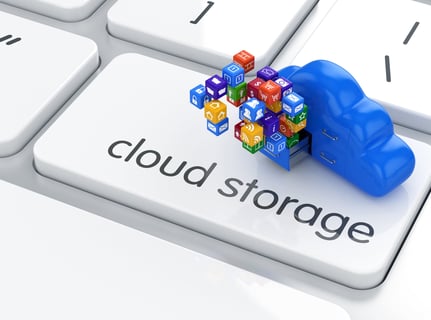
Cloud storage is a service provided by cloud computing providers that allows individuals and organizations to store and manage digital data, files, and documents on remote servers over the internet. Instead of saving data on a local hard drive or physical storage devices, users can upload their files to the cloud, making them accessible from anywhere with an internet connection.
Database
A cloud database is a database that is hosted and managed in a cloud computing environment. Instead of being installed on a traditional on-premises server or data center, the database is hosted on cloud infrastructure provided by a cloud service provider. Users can access and interact with the database over the internet.
Migration
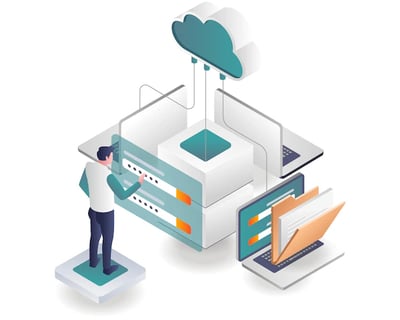
Cloud migration refers to the process of moving digital assets, such as data, applications, workloads, and IT processes, from on-premises or legacy infrastructure to a cloud computing environment. The primary goal of cloud migration is to leverage the benefits of cloud computing, such as scalability, cost-efficiency, flexibility, and accessibility, while reducing the complexity and cost of managing physical infrastructure.
Cloud migration can take various forms, including:
Rehosting (Lift and Shift): Migrating applications and data to the cloud with minimal modifications, often suitable for organizations looking to quickly move to the cloud while making deeper optimizations later.
Refactoring: Redesigning applications to leverage cloud-native features and services, improving scalability and performance.
Replatforming: Making some modifications to applications to make them compatible with the target cloud platform while maintaining core functionality.
Rearchitecting (Rebuilding): Completely redesigning and rebuilding applications to take full advantage of cloud-native features and technologies.
Retiring: Decommissioning or archiving legacy systems and applications that are no longer needed.
Repurchasing: In repurchasing, you move to a different product and usually abandon or replace existing software licenses for your application. For example, you could move from a traditional virtual desktop infrastructure (VDI) in your data center to a fully managed cloud-based VDI.
Security
Cloud security refers to the set of practices, policies, technologies, and controls designed to protect cloud-based resources, data, applications, and infrastructure from a wide range of security threats, risks, and vulnerabilities. It is a critical aspect of cloud computing, as organizations increasingly rely on cloud services to store and process their data and applications.


Security, Identity, & Compliance
Key aspects of cloud security include:
Data Protection: Ensuring the confidentiality and integrity of data stored in the cloud by implementing encryption, access controls, and data loss prevention measures.
Identity and Access Management (IAM): Managing user identities and controlling their access to cloud resources, ensuring that only authorized individuals or systems can access and modify data and services.
Network Security: Protecting the cloud infrastructure and data during transmission over networks through measures like firewalls, intrusion detection systems, and encryption.
Compliance and Governance: Adhering to industry-specific regulations and best practices to ensure that cloud deployments meet legal and regulatory requirements.
Threat Detection and Monitoring: Continuously monitoring cloud environments for signs of suspicious activities, intrusions, or security breaches and promptly responding to incidents.
Security Patch Management: Ensuring that cloud services and applications are regularly updated with the latest security patches to address vulnerabilities.
Incident Response and Recovery: Establishing plans and processes to respond to security incidents and recover from breaches, minimizing downtime and data loss.
Multi-Cloud and Hybrid Cloud Security: Addressing security concerns when an organization uses multiple cloud providers or combines on-premises and cloud resources in a hybrid environment.
Cloud security is a shared responsibility between the cloud service provider and the cloud customer. While cloud providers are responsible for the security of the underlying infrastructure (e.g., physical data centers), customers are responsible for securing their data and applications in the cloud.